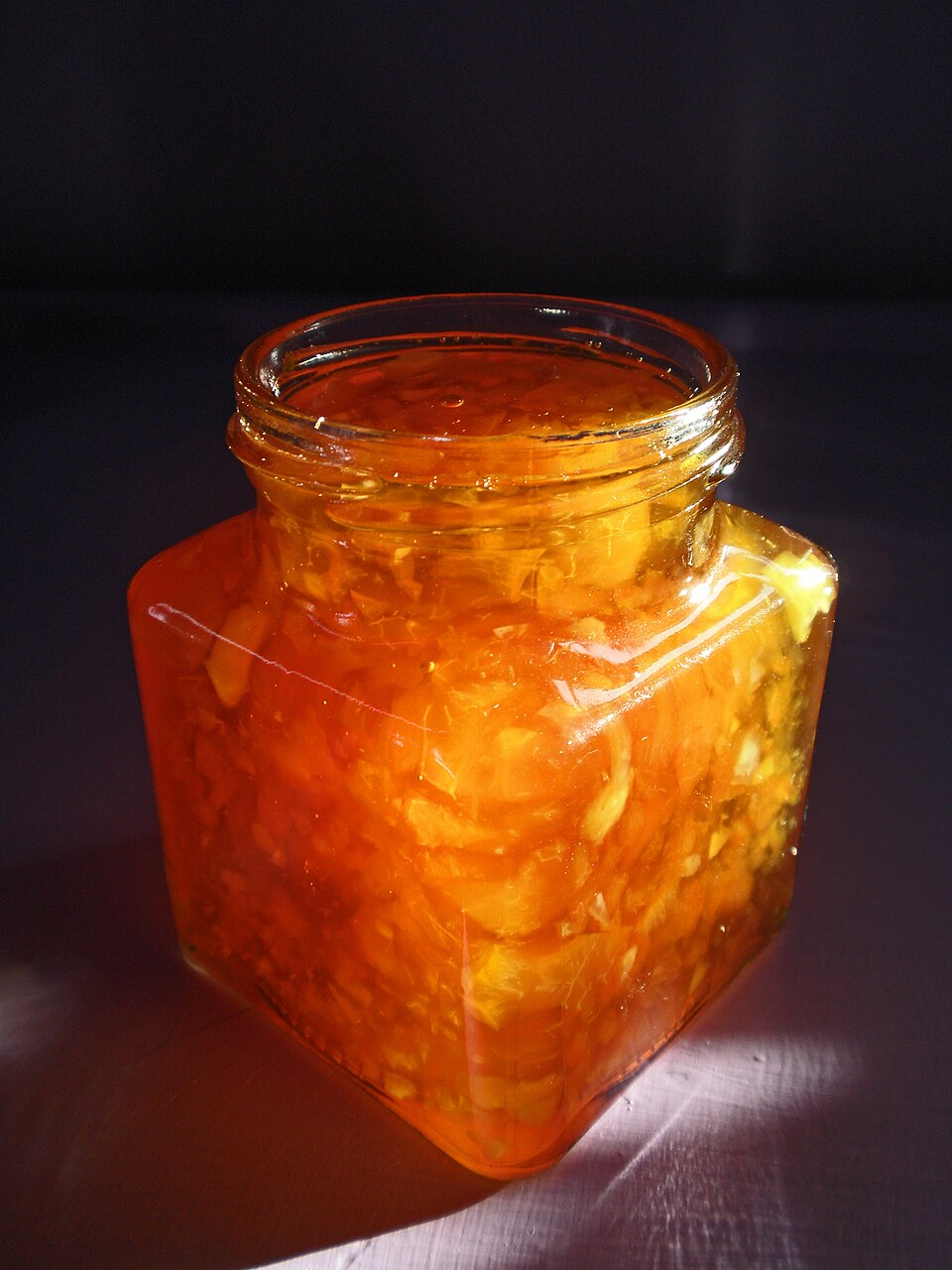
Orange Marmalade vs. Jam: Unpacking the Delicious Differences
Few condiments evoke such a rich tapestry of flavors and traditions as orange marmalade. Often considered the sophisticated cousin in the world of fruit spreads, it stands out with a unique profile that sets it distinctly apart from its more common counterparts, jam and jelly. While all three aim to preserve the sweet essence of fruit, orange marmalade offers a culinary experience that is truly one-of-a-kind, appealing to palates seeking a delightful balance of sweet, sour, and a characteristic hint of bitterness.
For many, the mention of marmalade conjures images of elegant British afternoon teas, complete with warm, buttered scones. It’s a spread that transcends mere sweetness, delivering a complexity that elevates everything it touches. But what exactly makes this citrusy delight so special, and how does it fundamentally differ from the familiar fruit jam?
Defining the Key Differences: Marmalade, Jam, and Jelly
To truly appreciate the uniqueness of orange marmalade, it's essential to understand the core distinctions that separate it from other fruit preserves. While they may share a similar texture and often appear side-by-side on breakfast tables, their preparation methods and ingredients tell a different story.
- Orange Marmalade: The Citrus Star
The defining characteristic of marmalade, and particularly orange marmalade, is its exclusive use of citrus fruits and, crucially, the inclusion of the fruit's rind. This means that when you enjoy a spoonful of marmalade, you're not just tasting the pulp and juice, but also the finely sliced or shredded peel. This rind is responsible for several key elements: the distinctive texture, the beautiful translucent appearance, and that iconic bitter tang that balances the sweetness. Citrus fruits, especially the rinds, are naturally rich in pectin, which helps the spread gel without the need for artificial additives. - Jam: The Fruity Chunky Companion
Jam, by contrast, is a thick, chunky fruit spread made from crushed or chopped fruit, sugar, and often added pectin (especially for fruits naturally low in it, like strawberries or peaches). While it offers a delightful intensity of fruit flavor, it typically omits the rind, focusing solely on the fruit's interior. The texture is usually softer and more spreadable than marmalade, without the chewiness of the citrus peel. - Jelly: The Clear and Smooth Operator
Jelly takes a different approach altogether. It's made from fruit juice that has been cooked with sugar and pectin until it sets into a clear, translucent, and firm gel. The key here is clarity: all fruit solids, including pulp and rind, are strained out, leaving behind a smooth, shimmering spread that offers pure fruit flavor without any textural interruptions.
In essence, if jam is a celebration of mashed fruit, and jelly is a tribute to pure fruit juice, then orange marmalade is an ode to the entire citrus fruit, rind and all, delivering a more intricate sensory experience.
What Makes Orange Marmalade Truly Unique? The Magic of the Rind
The distinctive character of orange marmalade can be attributed primarily to one crucial ingredient: the citrus rind. Unlike other fruit preserves, where the peel is often discarded, marmalade embraces it, transforming what might seem like a bitter component into its signature feature.
The Balancing Act: Sweet, Sour, and Bitter
Imagine a symphony of flavors hitting your palate: the immediate sweetness from the sugar, followed by the bright, tangy sourness of the orange juice, and finally, a subtle yet invigorating hint of bitterness from the zest. This sophisticated trifecta is what truly sets orange marmalade apart. The bitterness isn't overpowering; rather, it acts as a crucial counterpoint, preventing the spread from becoming cloyingly sweet and adding depth that enchants the adult palate. This complexity makes it a "grown-up" spread, cherished for its nuanced taste profile.
Natural Pectin Powerhouse
One of the most remarkable aspects of citrus fruits, especially oranges and lemons, is their natural abundance of pectin. Pectin is a soluble fiber found in fruit cell walls that, when heated with sugar and acid, forms a gel, giving jams and jellies their characteristic set. While many fruit jams require commercial pectin to achieve the desired consistency, oranges provide all the pectin needed, primarily concentrated in their rind and pith. This means that a well-made orange marmalade can often be created with just four basic ingredients: oranges, lemon, sugar, and water, relying entirely on the fruit's inherent gelling power. This natural setting agent contributes to a more authentic and often more vibrant fruit flavor.
Texture and Visual Appeal
Beyond flavor, the rind also contributes significantly to the marmalade's texture and visual appeal. The translucent pieces of peel, suspended throughout the glistening gel, give orange marmalade a beautiful, almost jewel-like quality. When spread, these tender bits of rind provide a pleasant chewiness, adding another layer to the sensory experience that you simply won't find in smooth jam or jelly.
Crafting Perfect Orange Marmalade: Tips for Homemade Excellence
While the idea of making marmalade might seem daunting, especially with its reputation for finicky slicing, modern techniques have made homemade orange marmalade surprisingly accessible and rewarding. The satisfaction of spreading your own vibrant, flavorful creation on toast is unparalleled, and it often tastes far superior to store-bought varieties.
Choosing Your Oranges Wisely
The success of your marmalade starts with the right oranges. Varieties like Seville oranges are traditionally favored for their high pectin content and strong flavor profile, which includes a distinct bitterness. However, delicious marmalade can also be made with more common oranges such as Navel, Cara Cara, blood oranges, mandarins, or tangerines. Look for thin-skinned oranges, as they tend to have less pith, which can contribute excessive bitterness if not managed properly. Opting for organic oranges is also a good idea, as you'll be using the peel, ensuring it's free from pesticides or wax coatings. Remember, a lemon is often included not just for flavor, but for its citric acid, which is crucial in helping the marmalade set.
The "Easy" Way to Marmalade
Gone are the days of tedious, hand-slicing every single piece of rind. Many contemporary recipes streamline the process significantly. Often, you'll wash and prep the oranges, then use a food processor to blitz the rinds into small, uniform pieces. This not only saves time but also ensures consistency. The process typically involves simmering the prepared oranges with water to extract that precious pectin, then adding sugar, and cooking the mixture until it reaches its setting point. A candy thermometer is a handy tool, but the "frozen plate test" – spooning a small amount onto a chilled plate and observing its texture – is a reliable old-school method for checking doneness.
For a detailed, step-by-step guide to making this delightful preserve at home, be sure to check out our article on Easy Homemade Orange Marmalade: Simple Steps & Natural Pectin.
Beyond the Breakfast Table: Versatile Uses for Orange Marmalade
While orange marmalade is undeniably a star at breakfast and afternoon tea, its complex flavor profile makes it incredibly versatile in the kitchen. Its sweet, sour, and bitter notes can elevate a wide array of dishes, moving far beyond mere bread spreads.
- Elegant Glazes and Marinades: The tang and sweetness of marmalade make it an exceptional glaze for roasted meats like pork tenderloin, grilled chicken, or even duck. Its stickiness helps create a beautiful caramelization, while the citrus notes cut through richness. Blend it with a touch of soy sauce, ginger, or mustard for a quick and flavorful marinade.
- Dessert Enhancer: Beyond traditional scones and toast, marmalade shines in desserts. Use it as a filling for cakes, tarts, or thumbprint cookies. Swirl it into a cheesecake batter, or warm it slightly and drizzle over vanilla ice cream for a sophisticated treat.
- Unexpected Pairings: Don't limit yourself! Stir a spoonful into Greek yogurt or overnight oats for a zesty breakfast boost. Whisk it into salad dressings for a unique citrusy twist. Some even enjoy it in savory sandwiches, adding an intriguing counterpoint to ingredients like peanut butter or sharp cheeses.
- Cocktail Component: For the adventurous, a dab of marmalade can add a delightful zest and subtle bitterness to cocktails, especially those featuring gin or whiskey.
The possibilities are truly endless once you embrace the unique character of orange marmalade. To discover even more creative ways to incorporate this vibrant condiment into your cooking, explore our article on Beyond Toast: Creative Ways to Enjoy Homemade Orange Marmalade.
Conclusion
In the delightful world of fruit preserves, orange marmalade carves out a distinct niche. It's more than just a spread; it's a culinary experience defined by its characteristic sweet, sour, and bitter tang, its unique texture from the inclusion of the rind, and its natural pectin-rich composition. While jam and jelly offer their own comforting appeals, marmalade stands as a testament to embracing the whole fruit, delivering a complexity and sophistication that truly sets it apart. Whether homemade or store-bought, this golden, glistening preserve is a versatile pantry staple, ready to transform your breakfast, elevate your dinner, and add a touch of elegance to any meal.
