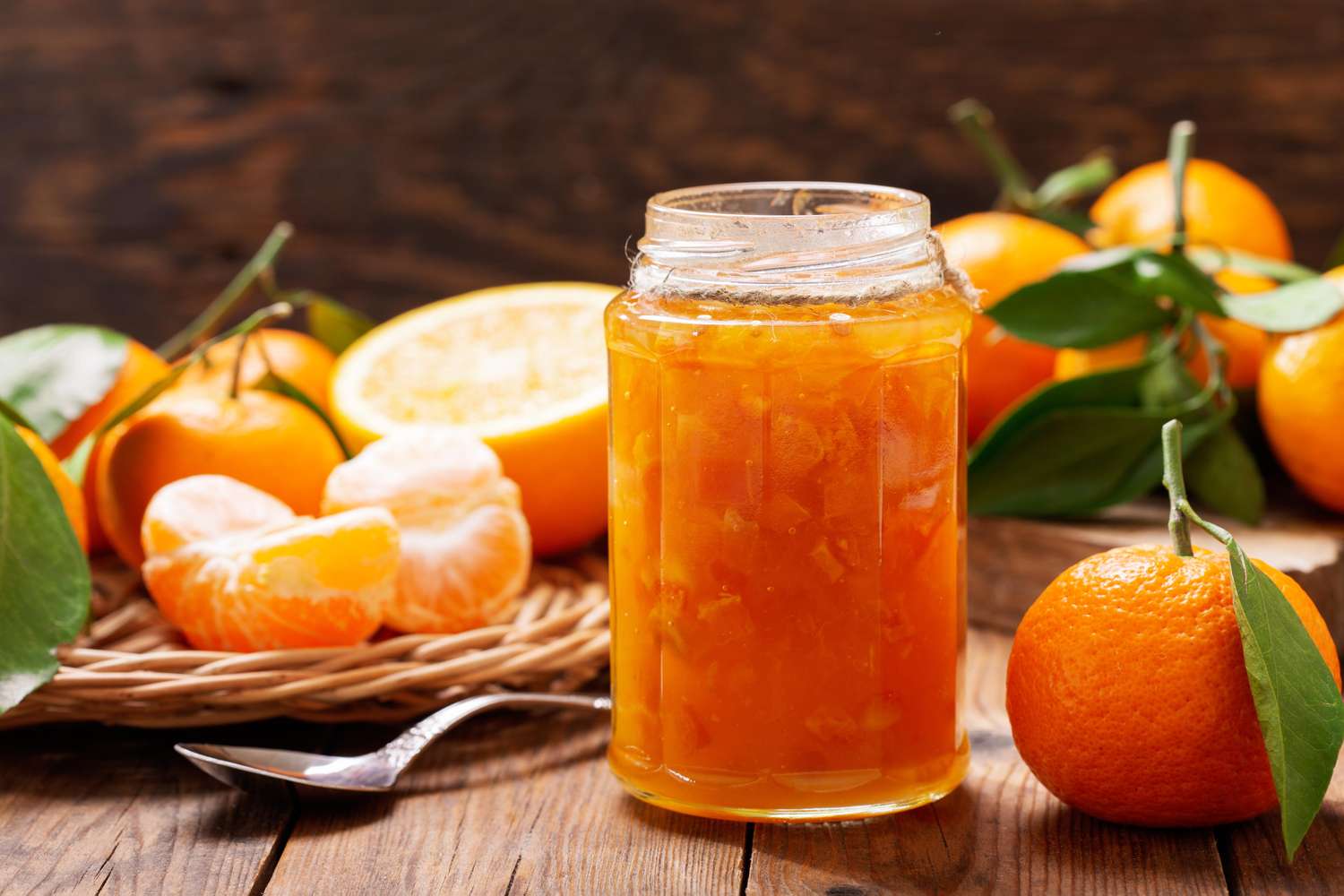
The Allure of Homemade Orange Marmalade: Beyond the Jar
For many, orange marmalade conjures images of cozy mornings, a dollop gleaming atop a perfectly toasted slice of bread. It’s a classic, a staple of British breakfasts and afternoon teas, celebrated for its unique balance of sweet, sour, and that characteristic hint of bitterness. But to relegate this vibrant citrus preserve solely to the toast rack is to overlook a world of culinary possibilities. Homemade orange marmalade, with its bright, zesty character and satisfying texture from the suspended citrus rind, is far more versatile than you might imagine.
There's a special satisfaction in crafting your own batch of this golden goodness. The process, often simpler than many fruit jams thanks to oranges' abundant natural pectin, allows you to control the intensity of flavor and sweetness. Once you've experienced the rich, nuanced taste of homemade marmalade, you'll find yourself reaching for it to elevate everything from everyday meals to elegant desserts.
What Makes Orange Marmalade So Special?
At its heart, what sets orange marmalade apart from other fruit spreads like jams and jellies is its distinctive composition. While jam typically features mashed fruit and jelly is a clear, strained fruit juice gel, marmalade proudly incorporates the citrus rind along with the pulp and juice. This inclusion of the peel is crucial, contributing not only to its signature texture but also to that delightful complex flavor profile – a sophisticated interplay of sweetness, tartness, and a gentle, grounding bitterness that truly awakens the palate.
The natural pectin found abundantly in citrus fruit, particularly in the rinds, is what allows marmalade to set into a beautiful, soft gel without the need for additional gelling agents often required for other fruit preserves. This inherent quality contributes to a more authentic and robust fruit flavor.
To delve deeper into the nuanced distinctions between these delightful fruit preserves, explore our detailed guide on Orange Marmalade vs. Jam: Key Differences & Why It's Unique.
Start Your Day Right: Breakfast & Brunch Innovations
While toast is a noble companion, homemade orange marmalade offers countless ways to brighten your morning routine and impress at brunch. Its vibrant flavor cuts through richness and adds a sophisticated twist to familiar favorites.
Elevating Classics: More Than Just Toast
- Scones and Croissants: Move over, clotted cream and plain butter! A generous spread of orange marmalade is the quintessential accompaniment for warm, flaky scones, especially during a traditional afternoon tea spread. It also transforms a plain croissant into a luxurious treat.
- Pancakes, Waffles, and Crepes: Forget generic syrup. Warm your marmalade slightly and drizzle it over a stack of fluffy pancakes or crispy waffles. Its bright, zesty notes add a delightful counterpoint to the sweetness, creating a gourmet breakfast experience. For crepes, spread a thin layer of marmalade before folding for an instant citrus delight.
- The Grown-Up Peanut Butter Sandwich: Remember the childhood classic? Swap out your grape jelly for orange marmalade. The sweetness of the peanut butter combined with the marmalade's tang and subtle bitterness creates a surprisingly complex and utterly satisfying sandwich that appeals to adult palates. Try it grilled for an extra layer of caramelized goodness.
Stir-Ins and Swirls: Creamy Delights
- Yogurt and Overnight Oats: Stir a spoonful of marmalade into plain Greek yogurt for a burst of flavor, or swirl it into your overnight oats or hot oatmeal. The citrus brightens the creamy base, turning a simple breakfast into something special. Add some granola or fresh berries for added texture and nutrition.
- Fruit Tarts and Parfaits: Layer marmalade with yogurt, granola, and fresh fruit in a glass for an elegant breakfast parfait. It also makes an excellent base layer or glaze for breakfast fruit tarts, adding shine and flavor.
Savory Surprises: Unexpected Culinary Pairings
The sweet, sour, and slightly bitter profile of orange marmalade makes it a secret weapon in savory cooking, offering a complexity that few other condiments can match. Prepare to be amazed by its transformative power.
Glazes and Marinades: A Zesty Kick for Meats
Marmalade’s sugar content makes it an ideal glazing agent, caramelizing beautifully to create a glossy, flavorful crust. Its acidity also helps tenderize meats, making it a fantastic addition to marinades.
- Pork Chops and Tenderloin: Brush a generous layer of orange marmalade onto grilled or roasted pork chops during the last few minutes of cooking. The glaze caramelizes, infusing the pork with a sweet-tangy flavor that is simply irresistible. It works wonders on roasted pork tenderloin too.
- Chicken and Duck: Use marmalade as a glaze for roasted chicken or duck. Mix it with a touch of soy sauce, ginger, or garlic for an Asian-inspired twist. The marmalade creates a beautiful, sticky finish and a burst of citrus flavor that complements poultry wonderfully.
- Lamb and Ham: A marmalade glaze can also elevate roasted lamb or baked ham, providing a festive and flavorful crust.
Dressings and Dips: Flavorful Accents
- Vinaigrettes: Whisk a spoonful of orange marmalade into your homemade vinaigrette. It adds body, sweetness, and a zesty tang that makes a simple green salad feel sophisticated. Pair it with olive oil, white wine vinegar, Dijon mustard, and a pinch of salt and pepper.
- Cheese Boards and Charcuterie: This is where marmalade truly shines! Serve it alongside a selection of cheeses – it pairs exceptionally well with sharp cheddar, creamy brie, tangy goat cheese, or even a robust blue cheese. The marmalade's sweetness and acidity cut through the richness of the cheese, while its bitterness provides a fascinating contrast. Add some crackers and nuts for a complete gourmet experience.
- Crostini Topping: Spread marmalade onto toasted baguette slices (crostini), perhaps topped with a dollop of fresh ricotta or a slice of prosciutto for an elegant appetizer.
Desserts & Beyond: Sweet Endings and Creative Twists
Naturally, orange marmalade finds a perfect home in desserts, but its uses extend beyond traditional cakes, offering unique possibilities for beverages and refreshing treats.
Baking Brilliance: Tarts, Cakes, and Cookies
- Cake Fillings and Glazes: Use marmalade as a vibrant filling between cake layers, especially in a classic sponge cake or a rich chocolate cake where its citrus notes provide a beautiful contrast. You can also warm it and brush it as a glaze over plain cakes or madeleines for a glossy, flavorful finish.
- Thumbprint Cookies: Create a batch of buttery thumbprint cookies and fill the centers with orange marmalade before baking for a chewy, zesty treat.
- Muffins and Scones (Baked In): Swirl marmalade directly into muffin batter or scone dough before baking for pockets of bright, tangy flavor throughout.
- Cheesecake Topping: Drizzle warm marmalade over a slice of cheesecake for a simple yet elegant dessert.
Refreshing Treats: Ice Cream and Cocktails
- Ice Cream and Sorbets: Spoon marmalade over vanilla ice cream, or even swirl it into a homemade batch. For something lighter, blend it into a quick citrus sorbet.
- Cocktail Enhancer: The bright, complex flavor of orange marmalade makes it an excellent ingredient for cocktails. Try stirring a teaspoon into a classic Old Fashioned or a Whiskey Sour for a unique citrusy twist. It also works beautifully in a gin fizz or a non-alcoholic sparkling orange cooler. Its ability to provide both sweetness and tartness, along with a hint of bitterness, makes it a sophisticated mixer.
- Hot Beverages: Stir a spoonful into your black tea for a fragrant and comforting drink, or dissolve it in hot water with a slice of lemon for a soothing and flavorful beverage.
Making Your Own Orange Marmalade: A Rewarding Endeavor
The journey from fresh oranges to a gleaming jar of homemade orange marmalade is a rewarding one. The process, contrary to popular belief, can be surprisingly straightforward. Many easy recipes eliminate the need for finicky slicing by having you juice the fruit, simmer the rinds to extract pectin, and then blitz the mixture in a blender. This method ensures all the natural pectin from the oranges is utilized, resulting in a perfectly set marmalade without any added store-bought pectin.
Choosing thin-skinned organic oranges like Navel, Seville, Cara Cara, or even Blood Oranges will yield the best flavor and texture, minimizing pith which can contribute to excessive bitterness. With just a few basic ingredients – oranges, lemon, sugar, and water – and perhaps a candy thermometer for precision, you can create a preserve that far surpasses anything you'd find on store shelves, bursting with fresh, vibrant flavor.
Ready to embark on your own marmalade-making adventure? Get started with our straightforward guide: Easy Homemade Orange Marmalade: Simple Steps & Natural Pectin.
From breakfast and brunch to savory main courses, elegant desserts, and even creative cocktails, homemade orange marmalade proves its incredible versatility. So, next time you open a jar, think beyond the toast. Let your imagination soar and explore the myriad of ways this complex and delightful citrus preserve can elevate your culinary creations, adding a touch of sophisticated brightness to every dish.
