Easy Homemade Orange Marmalade: Simple Steps & Natural Pectin
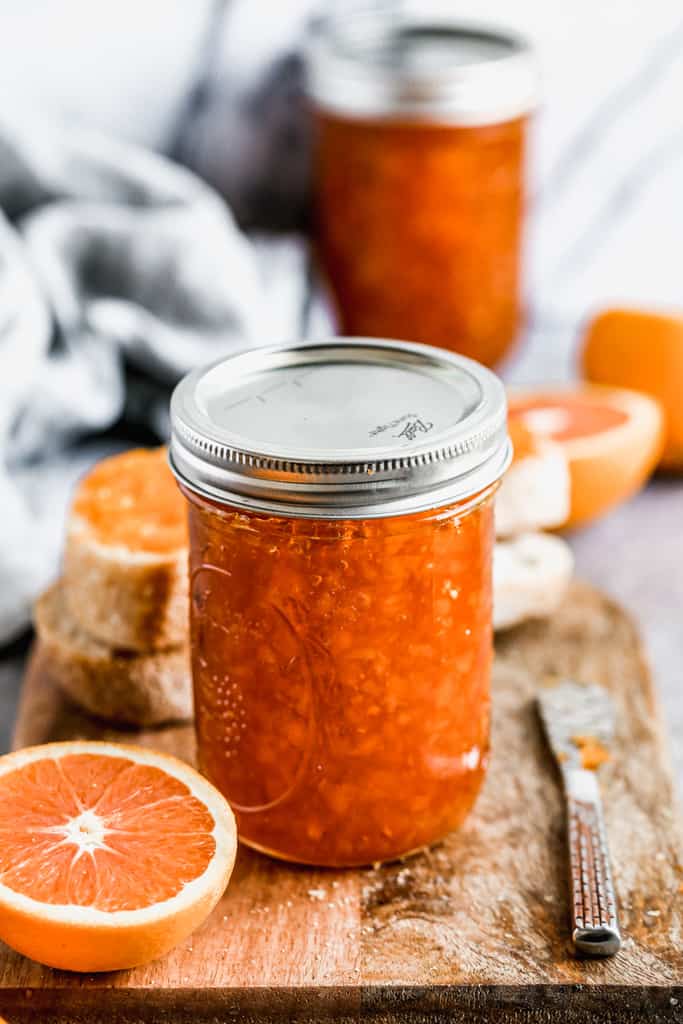
There's something uniquely satisfying about a truly exceptional orange marmalade. More than just a simple spread, it's a sophisticated symphony of sweet, tangy, and subtly bitter notes that elevates everything from your morning toast to elegant desserts. While store-bought versions offer convenience, the unparalleled freshness and depth of flavor of homemade orange marmalade is an experience entirely its own. And contrary to popular belief, crafting this culinary delight in your own kitchen is surprisingly simple, especially when you harness the natural pectin hidden within the oranges themselves.
For many, the idea of making fruit preserves conjures images of complicated processes, endless slicing, and a pantry full of specialized equipment. But this recipe for easy homemade orange marmalade challenges those notions, demonstrating how you can achieve a perfect, vibrant spread with just a few basic ingredients and a surprisingly straightforward method. Forget the finicky fruit preparation; with the aid of a blender or food processor, you'll be well on your way to a delicious batch in no time.
What Makes Orange Marmalade So Special? (And How It Differs from Jam)
The allure of orange marmalade lies in its distinct character. Unlike many other fruit spreads, it offers a complex flavor profile: the bright acidity of citrus, the rich sweetness of sugar, and that signature, delightful hint of bitterness derived from the orange rind. This balance makes it a truly versatile condiment, equally at home as a glaze for savory meats as it is accompanying a delicate scone for afternoon tea.
Often grouped with jams and jellies, Orange Marmalade vs. Jam: Key Differences & Why It's Unique. While all three are fruit-based preserves, their preparation and texture set them apart:
- Jam: Typically made with mashed or crushed fruit, resulting in a thick, chunky spread. Jams often rely on added commercial pectin to achieve their desired set, especially with fruits naturally low in pectin.
- Jelly: Characterized by its clear, translucent, and jiggling consistency. Jelly is made from strained fruit juice, completely free of fruit pulp or bits.
- Marmalade: This is where citrus fruits shine. Orange marmalade is unique because it incorporates not only the pulp and juice of the orange but also the thinly sliced or pureed rind. It's the inclusion of the rind that imparts marmalade's characteristic texture, flavor, and its natural gelling properties. The delicate bitterness from the zest is what truly defines it and gives it that sophisticated edge.
This distinct use of the whole fruit, especially the rind, is key to understanding both the flavor and the simplified gelling process of homemade orange marmalade.
The Magic of Natural Pectin: Your Secret to a Perfect Set
One of the most remarkable aspects of making orange marmalade is the abundance of natural pectin found within citrus fruits. Pectin is a naturally occurring soluble fiber that acts as a gelling agent, responsible for giving jams, jellies, and marmalades their desirable set. While many fruit preserves require the addition of store-bought pectin to achieve the right consistency, oranges are so rich in this gelling power that it's often entirely unnecessary.
The highest concentration of pectin in oranges is found in the white pith (the spongy layer between the peel and the fruit) and the seeds. By utilizing the entire fruit – including the rind and any remaining pith – you are naturally extracting all the pectin you need. When heated with sugar and acid (like the lemon juice we'll add), pectin molecules bond, creating the delicious gel that defines a perfect marmalade.
This natural pectin means you can make a truly authentic, flavorful marmalade without relying on processed additives. It’s a testament to the simplicity and efficiency of nature’s design, making your homemade efforts even more rewarding.
Mastering Your Easy Orange Marmalade Recipe: Step-by-Step Guide
Ready to transform humble oranges into a glistening, golden spread? Here’s a detailed guide to making your own delicious orange marmalade:
Essential Ingredients:
- Fresh Oranges: Approximately 2-3 lbs. For the best results and peace of mind, opt for organic, thin-skinned varieties. This ensures the rinds are free from pesticides and waxes, and thinner skins generally mean less bitter pith. Navel, Seville (a traditional choice known for its high pectin and bitterness), Cara Cara, Blood Oranges, or even a mix of mandarins and tangerines work beautifully.
- Lemon: 1 large lemon. The lemon juice provides essential citric acid, which not only brightens the flavor but also helps activate the pectin for a proper set and aids in preservation.
- Granulated Sugar: About 4-6 cups, depending on your oranges' sweetness and desired yield. Sugar is crucial for preservation, balancing the tartness, and assisting with the gelling process. While some might consider reducing sugar for health reasons, be aware that significantly less sugar can result in a runnier marmalade and may compromise its shelf life, especially if you plan to can it.
- Water: About 4-6 cups, or enough to cover the fruit during cooking.
Equipment You'll Need:
- Large, heavy-bottomed saucepan or Dutch oven
- Food processor or blender
- Sharp knife and cutting board
- Fine-mesh strainer (optional, for ultra-smooth marmalade)
- Ladle
- Sterilized jars with lids
- Candy Thermometer: Highly recommended for accurately reaching the setting point (around 220°F / 104°C).
- Small plate, placed in the freezer (for testing doneness)
Simple Steps to Deliciousness:
- Prepare the Oranges and Lemon:
- Thoroughly wash and scrub your oranges and lemon, as you’ll be using the rinds.
- Cut off the very ends of each orange. Then, cut each orange in half, and each half into 4-6 smaller pieces. This makes them easier to process.
- Discard any visible seeds. Don't worry about removing all the pith; its pectin content is beneficial.
- Zest the lemon (if you like extra lemon flavor, otherwise skip this) and then squeeze its juice into a separate bowl.
- Puree the Oranges:
- Place the prepared orange pieces (including rind, pulp, and juice) into your food processor or blender.
- Pulse until the rinds are finely minced but not completely liquified. You want small, discernible pieces for that classic marmalade texture. Avoid over-processing into a watery paste.
- Combine & Cook:
- Transfer the pureed oranges to your large, heavy-bottomed saucepan.
- Add the lemon juice (and zest, if using), water, and sugar to the pot. Stir well to combine.
- Bring the mixture to a rolling boil over medium-high heat, stirring occasionally to dissolve the sugar.
- Once boiling, reduce the heat to medium-low and let it simmer. This is where the magic happens!
- Simmer to Perfection:
- Continue to simmer, stirring frequently to prevent sticking, for 30-45 minutes. The mixture will gradually thicken and deepen in color.
- Keep a close eye on your candy thermometer. You're aiming for a temperature of 220°F (104°C). This is the "setting point" where the pectin is fully activated.
- Test for Doneness (The Wrinkle Test):
- While the marmalade is simmering, retrieve your chilled plate from the freezer.
- When the marmalade reaches the target temperature, or appears significantly thickened, spoon a small amount onto the cold plate.
- Return the plate to the freezer for 1-2 minutes, then remove it. Gently push the edge of the marmalade with your finger. If it wrinkles and forms a soft gel, it's ready! If it's still runny, continue simmering and test again every few minutes.
- Jar & Store:
- Carefully ladle the hot marmalade into pre-sterilized jars, leaving about 1/4 inch headspace.
- Wipe the rims clean and secure the lids.
- For long-term storage, process the jars in a boiling water bath canner according to safe canning guidelines. For shorter-term use, simply allow the jars to cool completely at room temperature, then store them in the refrigerator for up to 3-4 weeks.
Beyond the Basics: Tips for Success & Creative Uses
Achieving a perfect batch of orange marmalade is incredibly rewarding. Here are some extra tips to ensure your success:
- Don't Rush the Simmer: Patience is key. The slow simmer allows the flavors to meld and the pectin to activate fully. Rushing can lead to a thinner, less flavorful marmalade.
- Wider Pot, Faster Cook: Using a wider pot increases the surface area, allowing moisture to evaporate more quickly and potentially reducing your cooking time.
- Mind the Foam: As the marmalade cooks, a bit of foam may form on top. You can skim this off with a spoon just before jarring for a clearer final product, but it's not strictly necessary.
- Adjusting Bitterness: If you prefer a less bitter marmalade, you can try using more thin-skinned oranges or slightly less of the white pith during processing. However, a touch of bitterness is a hallmark of authentic orange marmalade.
Once you’ve mastered the art of making homemade orange marmalade, you’ll discover its incredible versatility. While it’s heavenly slathered on buttered toast or a croissant, its uses extend far beyond the breakfast table. Explore Beyond Toast: Creative Ways to Enjoy Homemade Orange Marmalade:
- Glaze for Meats: Brush it onto grilled pork tenderloin, roasted chicken, or even duck for a sweet and savory finish.
- Dessert Topping: Drizzle over vanilla ice cream, plain yogurt, or stir into overnight oats for a burst of citrusy flavor.
- Baking: Incorporate it into cake batters, tart fillings, or as a glaze for cookies and muffins.
- Cheese Board Companion: Pair with strong cheeses like cheddar or blue cheese for a delightful contrast.
- Cocktails: A spoon of marmalade can add a unique twist to a gin fizz or an Old Fashioned.
Embrace the Sweet & Tangy Joy
Making your own easy homemade orange marmalade is a delightful culinary adventure that rewards you with a truly exceptional spread. From the vibrant aroma filling your kitchen to the satisfying pop of a freshly opened jar, every step is a testament to the simple magic of good ingredients and a little patience. With its natural pectin, minimal equipment, and straightforward method, there's no reason to shy away from this delicious endeavor. So gather your oranges, embrace the sweet and tangy joy, and prepare to elevate your meals and snacks with a taste of homemade perfection.
